
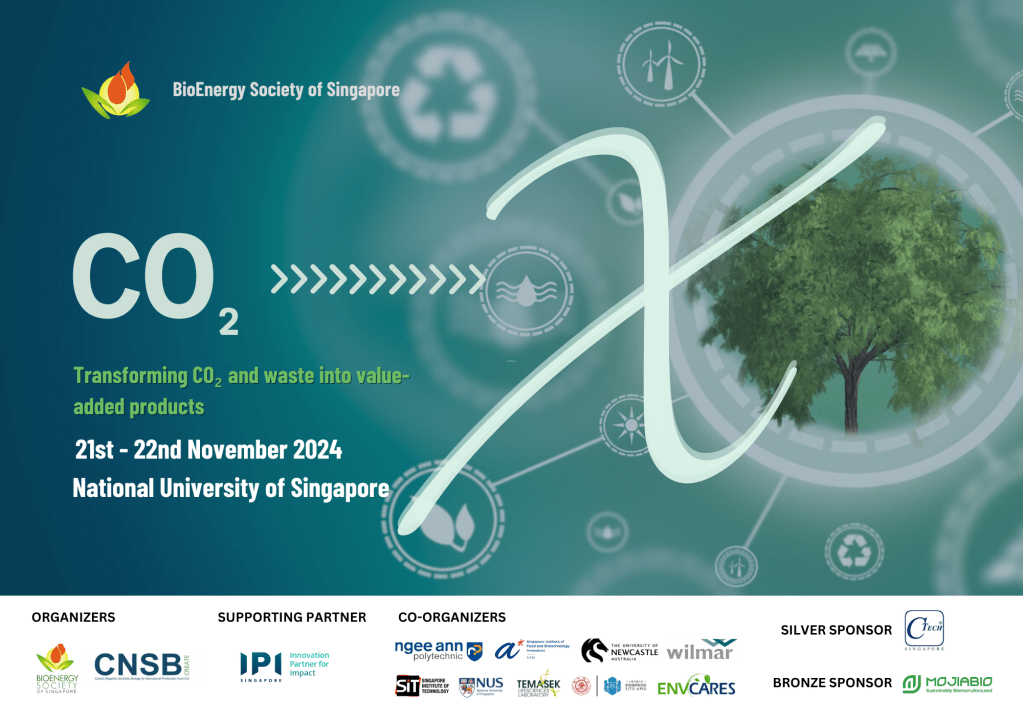
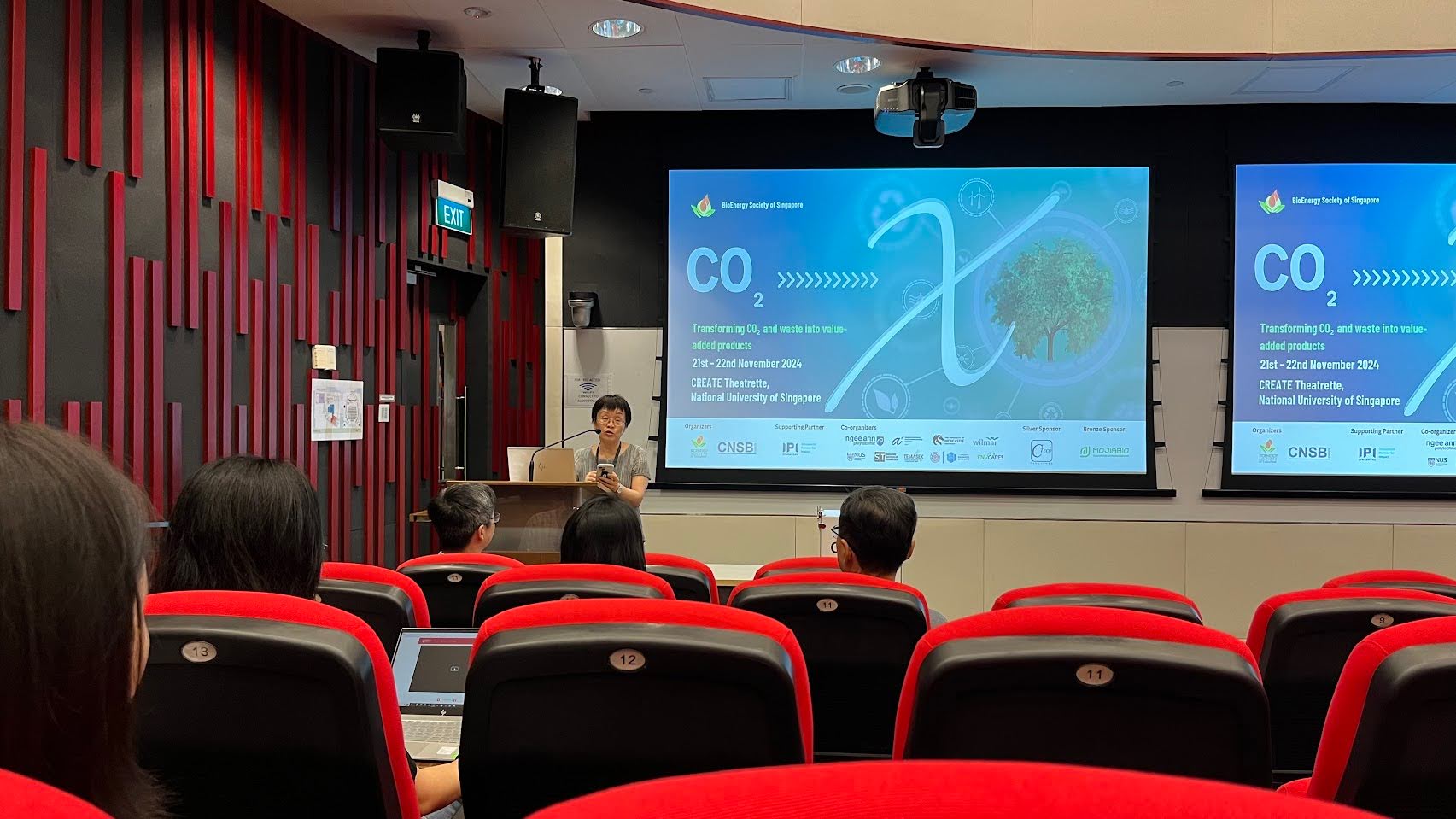
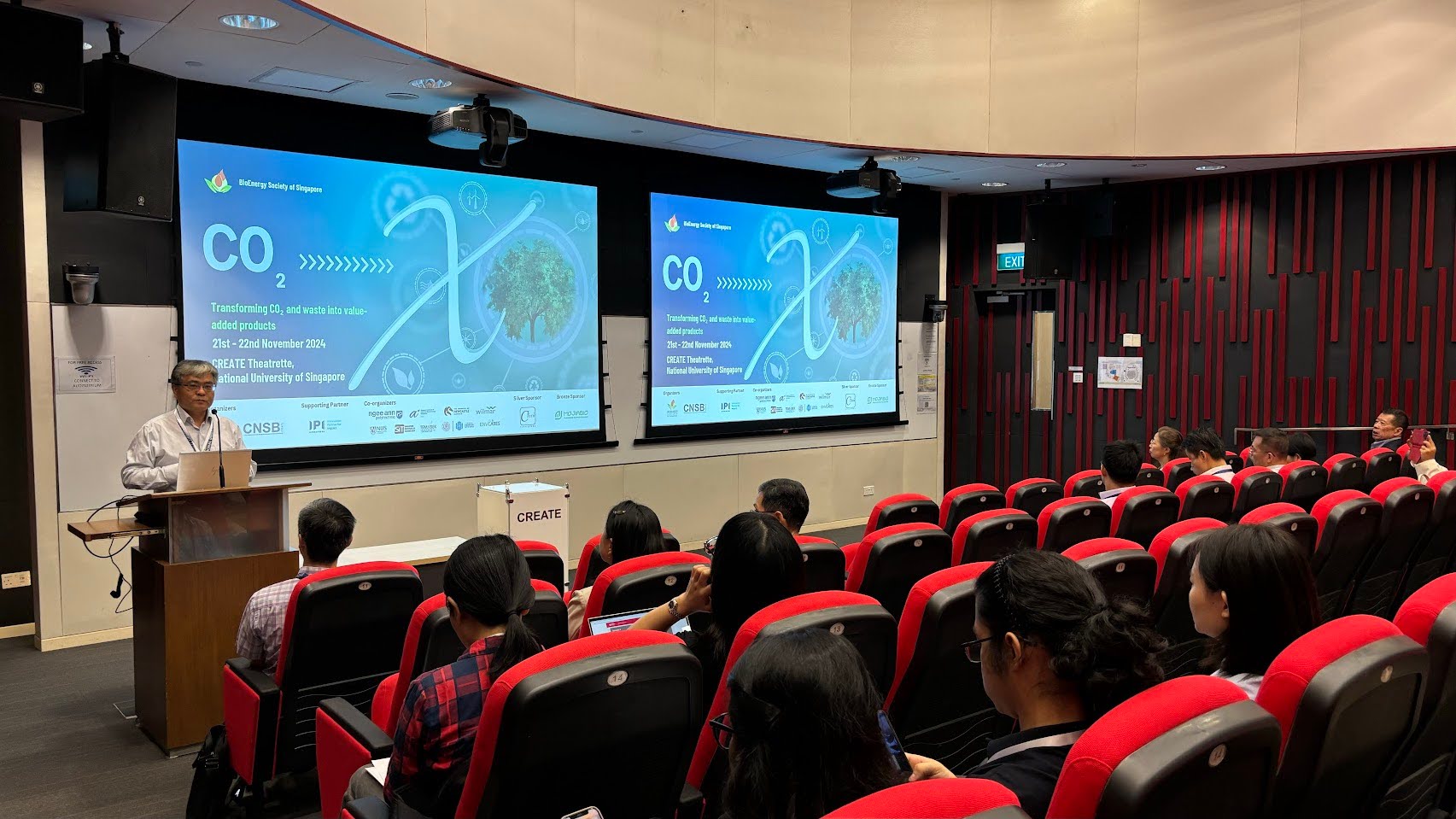
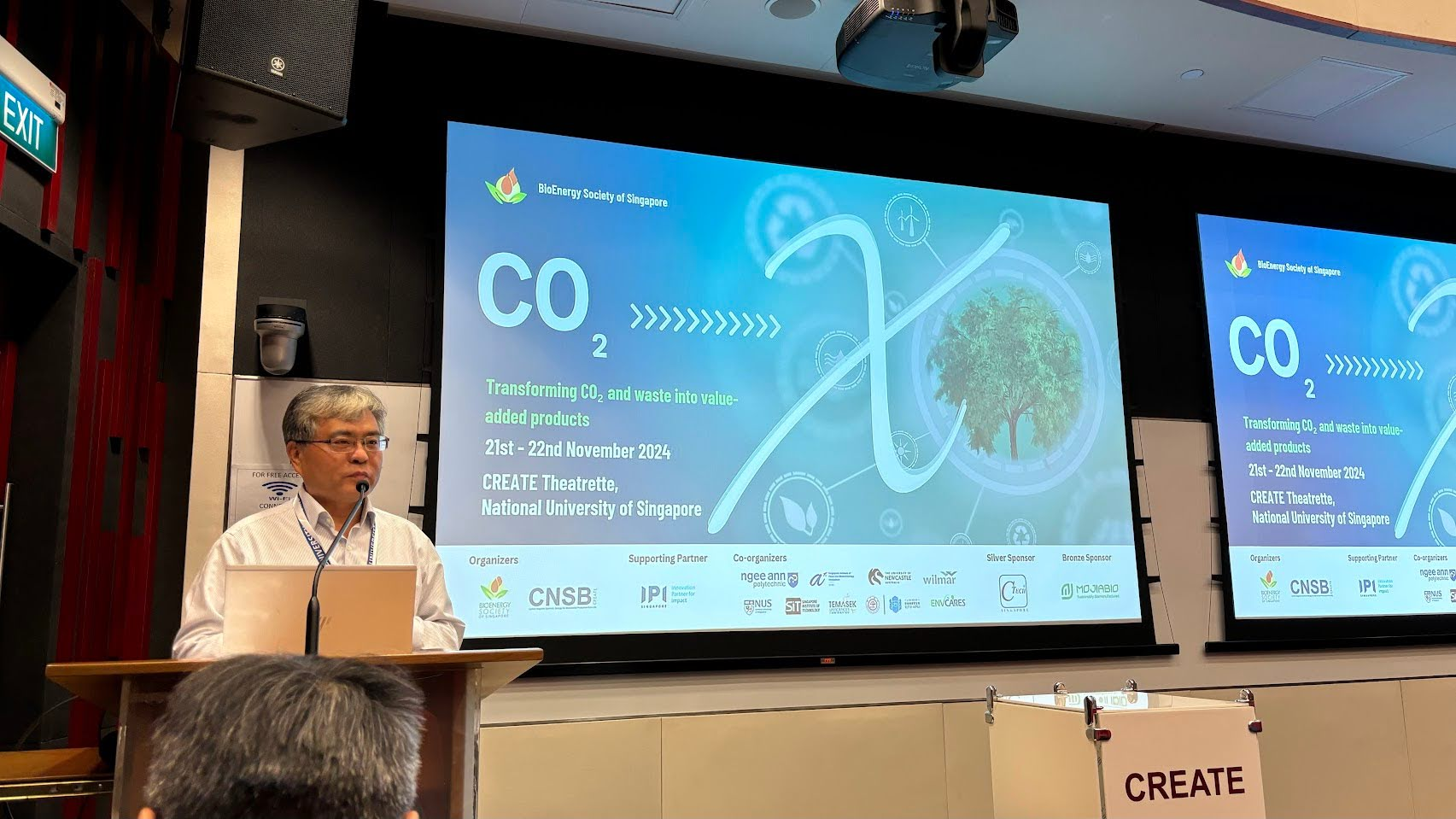
With the increasing impacts of greenhouse gas emissions and global warming, decarbonization is becoming ever more critical. Reducing greenhouse gas emissions is essential, and converting CO2 and waste into value-added products is equally important. At the CO2 to X conference that we recently organized on Nov 21-22, 2024, significant advancements in CO2 conversion and waste valorization were discussed.
Did you know that 54% of Singapore’s carbon emissions come from Jurong Island? CO2 conversion is a vital strategy to achieve net zero in Singapore.
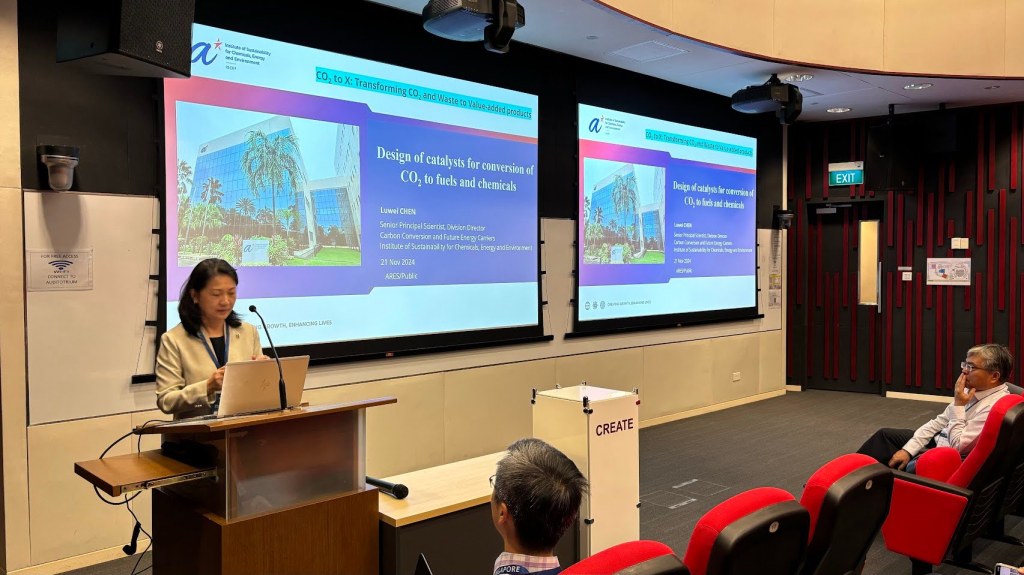
Dr. Luwei Chen from A*STAR reported on converting CO2 to methanol via catalysis, which can be used as aviation fuel. Currently, they are working with IHI to convert about 500 kg of CO2 per day, and the unit is ready for commercial use. Prof. Xu Ping, Prof. Pavan Jutur, and their teams discussed converting CO2 to chemicals and materials such as PHA through microalgae biotechnology.
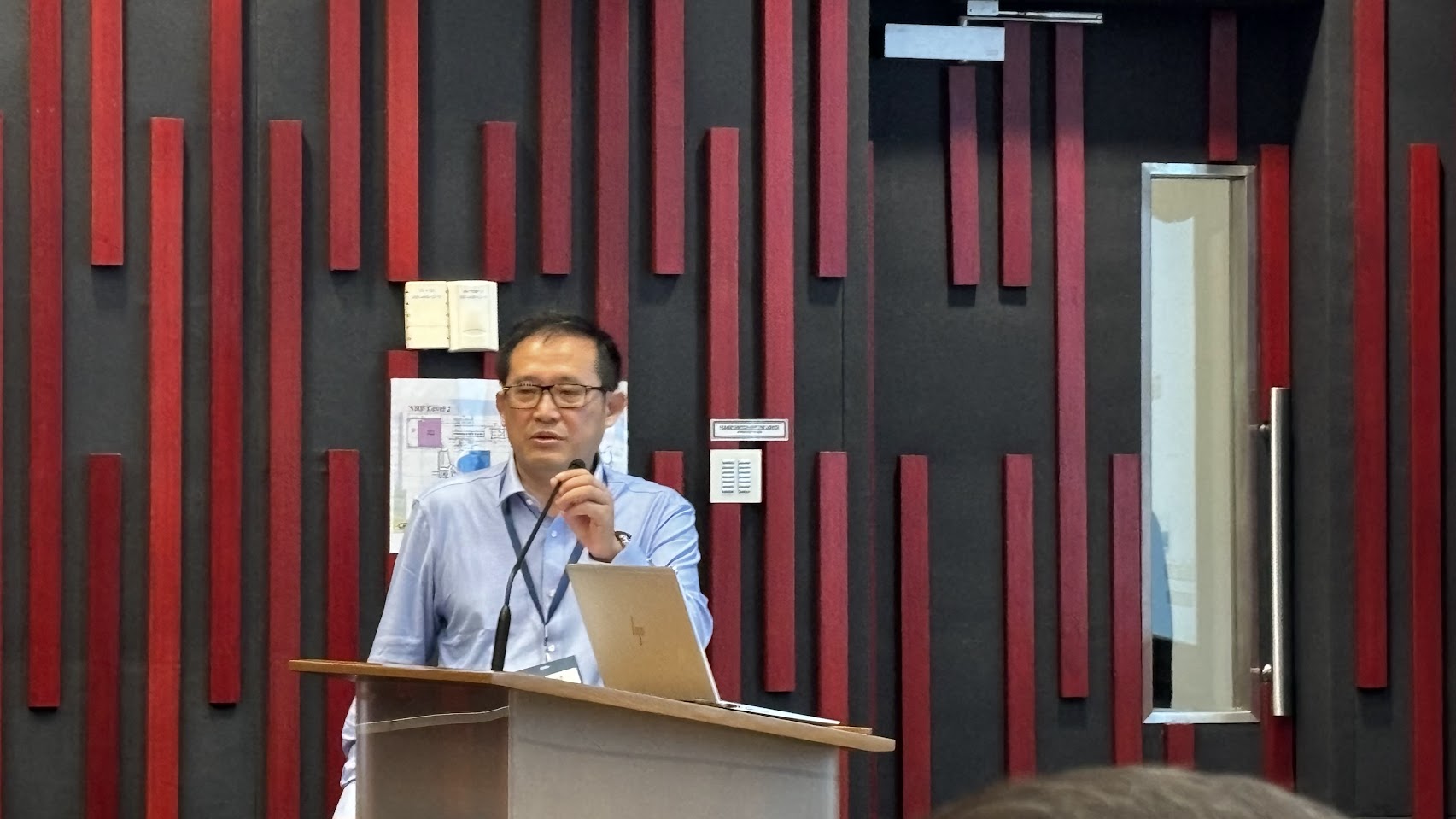
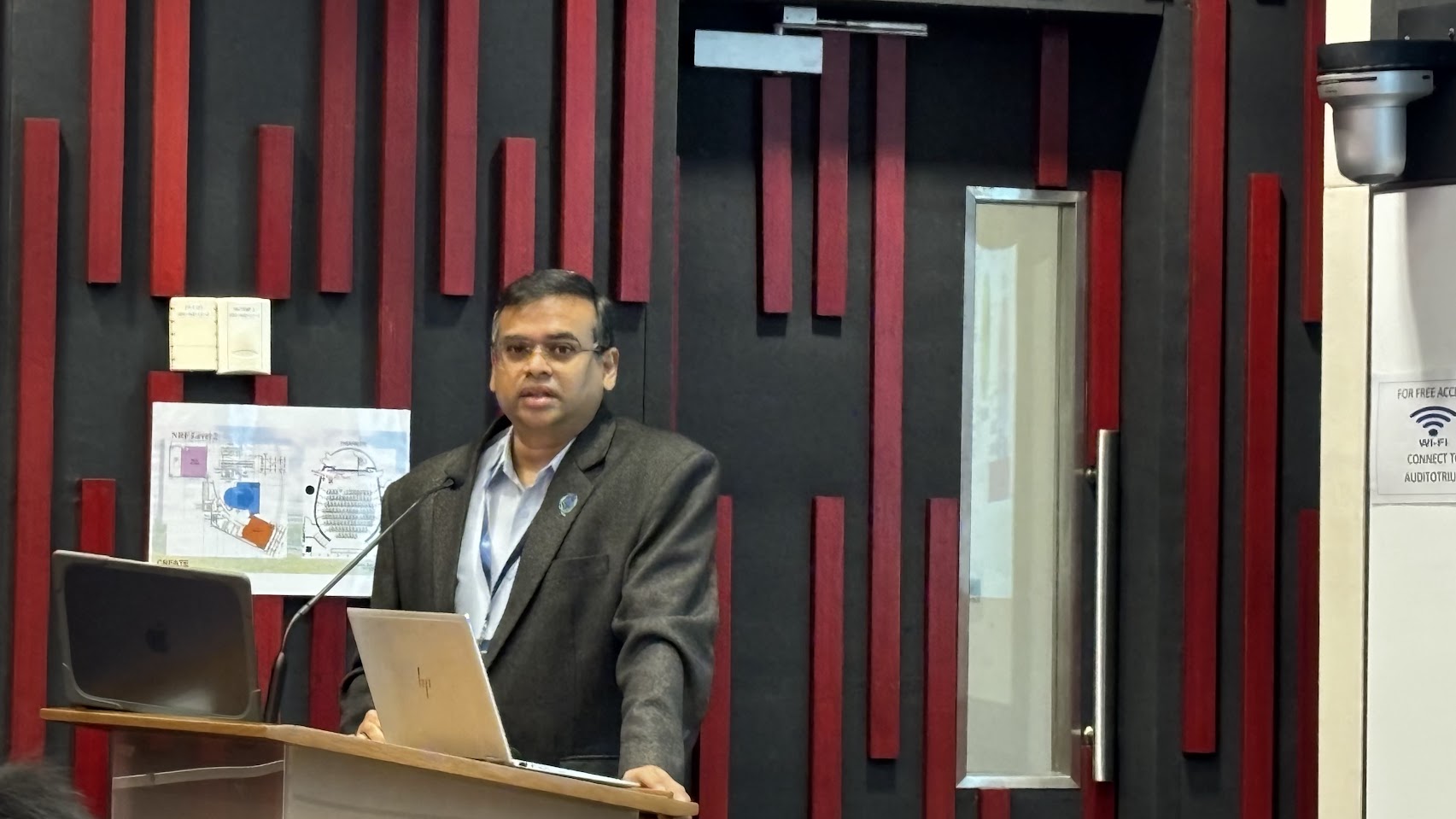
CO2 conversion is a C1 platform chemical reaction. Elongating chemical chains is essential for utilizing CO2. Prof. Zhou Yongjin reported on the microbial biotransformation of C1 chemicals like methanol into other chemicals, while Dr. Ji Lianghui discussed converting acetate, a C2 chemical, into other chemicals.
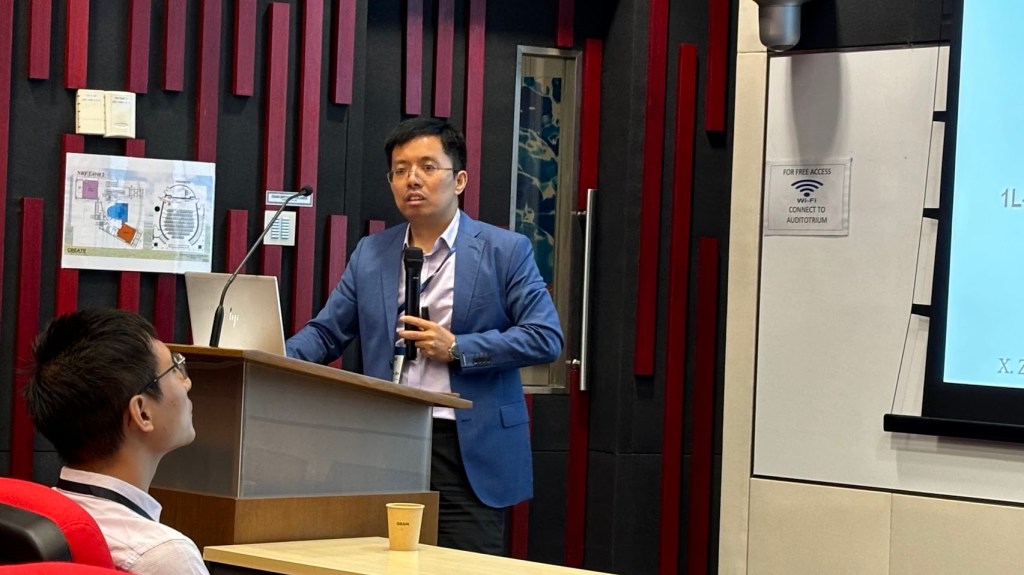


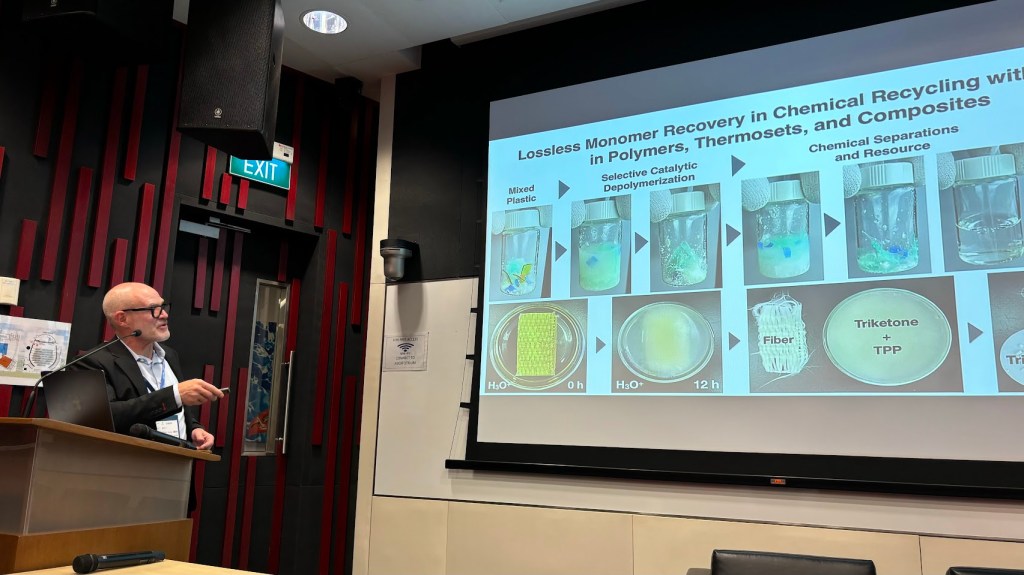
Notably, Prof. Jay Keasling introduced his engineered polyketide synthases, a molecular biofoundry platform to increase carbon chains and produce valuable chemicals and fuels. Dr. Ramon Gonzalez from MojidaBio presented their C1-based biomanufacturing using formyl-CoA elongation (FORCE) pathways. Additionally, Dr. Xixian Chen introduced the biosynthesis of high-value products such as terpenoids through biomanufacturing.
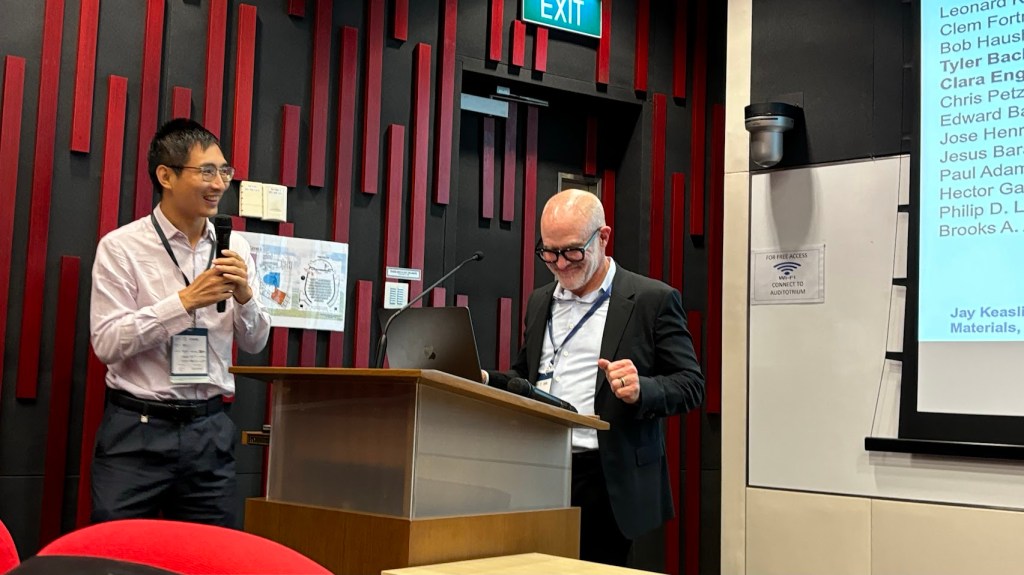
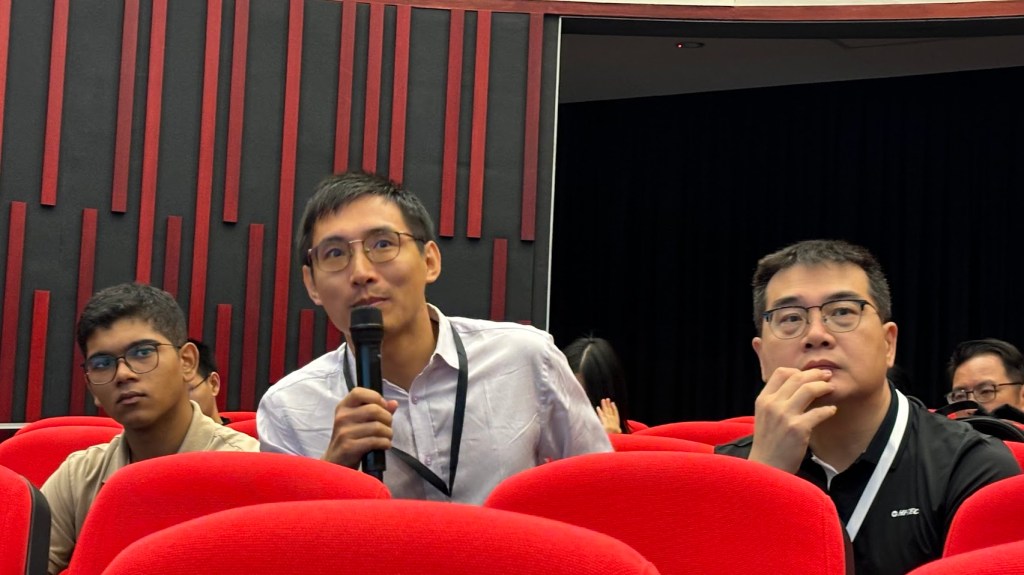


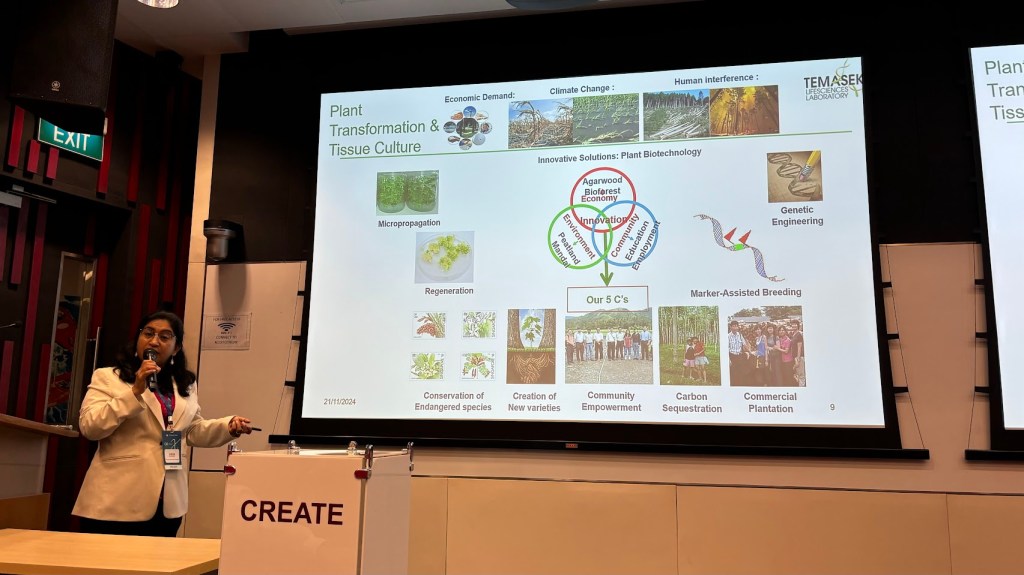
In addition to biomanufacturing and chemical catalysis, traditional carbon sequestration using plants plays a crucial role in decarbonization. We were inspired by Dr. Somika‘s talk on efforts in Singapore to improve and conserve plant and tree plantations. Dr. Vishal Khanpit introduced a hybrid farm model optimizing land use and CO2 fixation using microalgae technology.
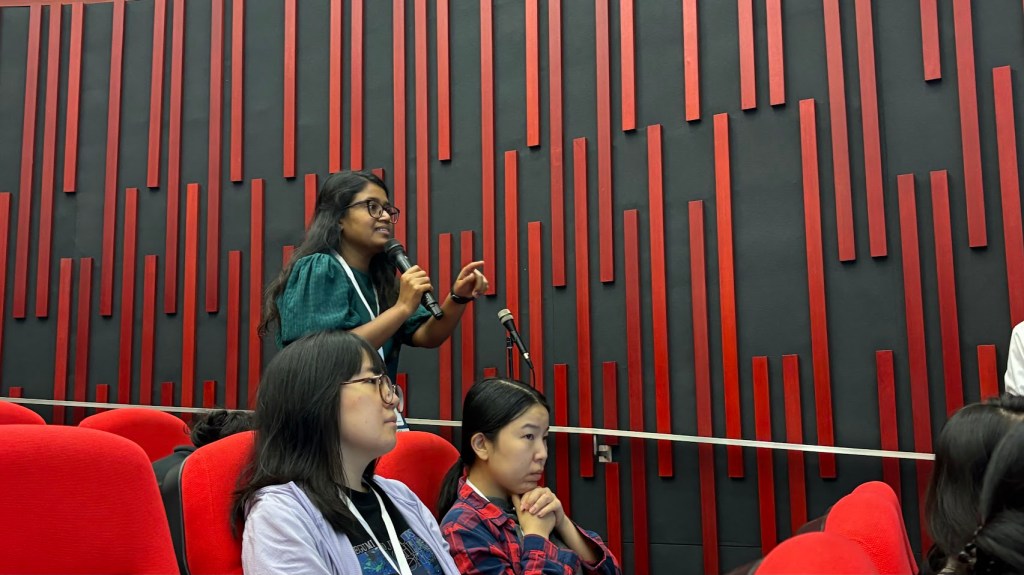

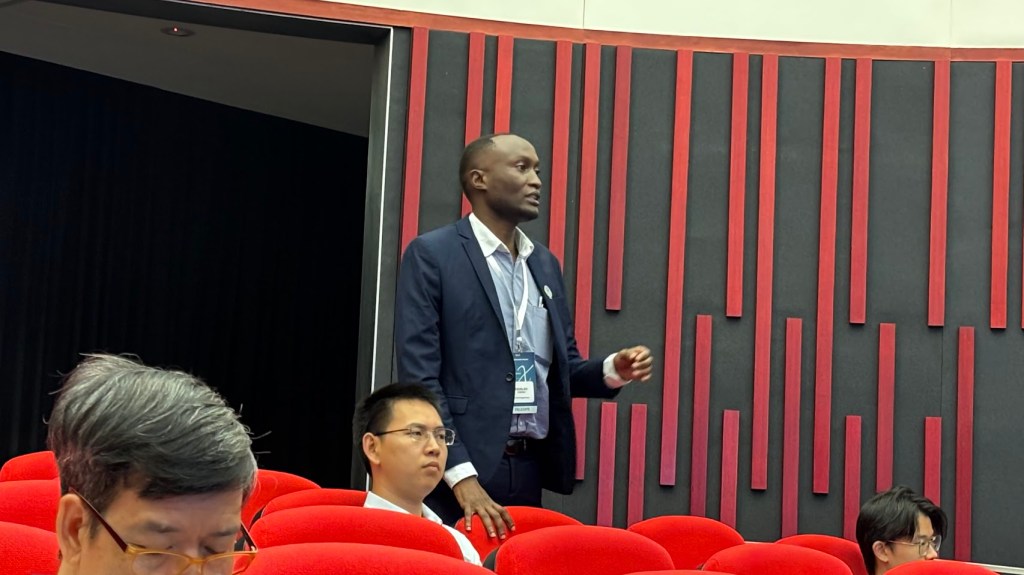
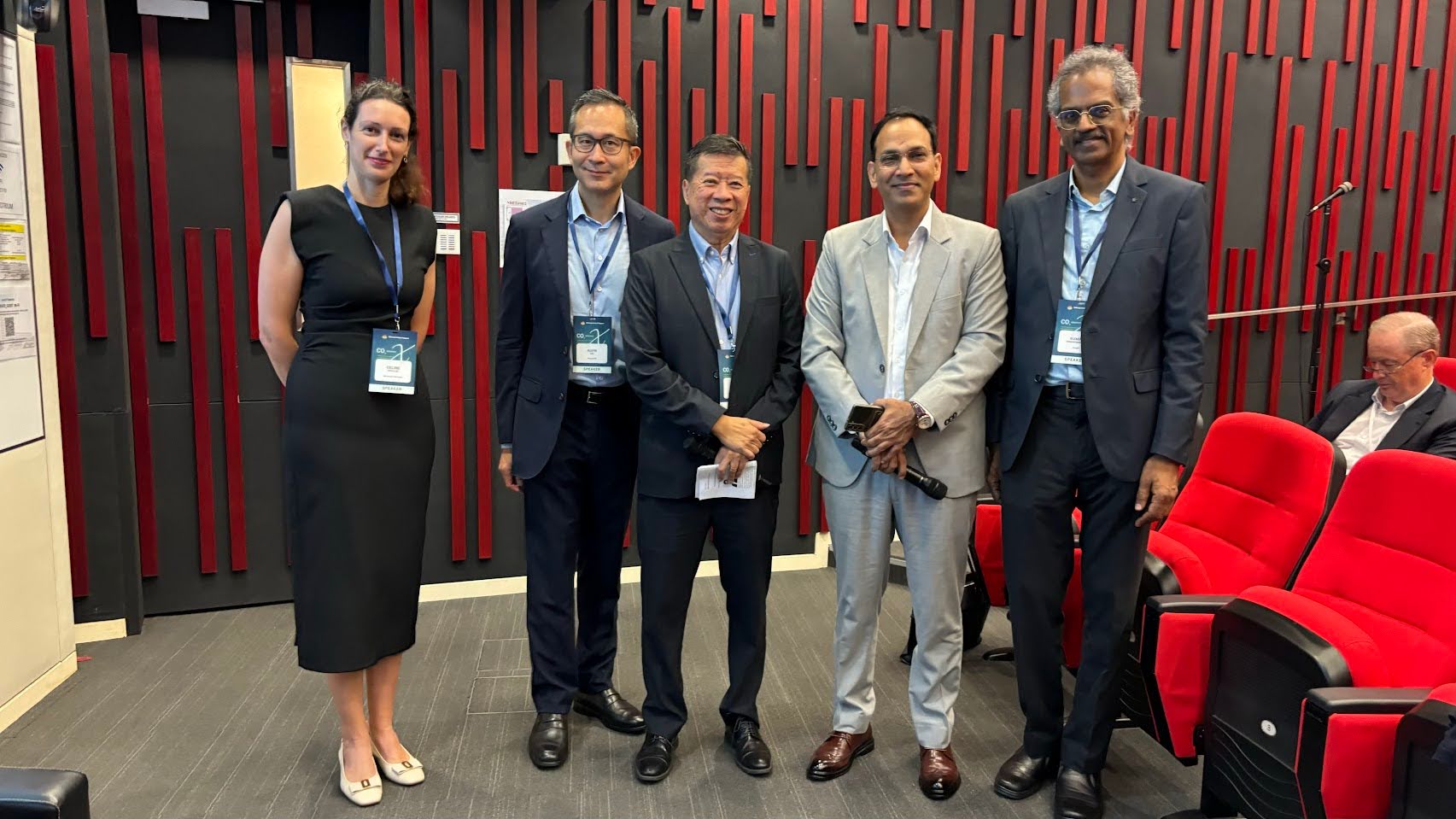
The conference reached a highlight with a panel discussion featuring experts from diverse backgrounds. They shared perspectives on opportunities, challenges, and strategies to achieve net zero by 2050. The panel emphasized the importance of measurable indicators and believed that net zero is attainable with collective efforts and government initiatives.
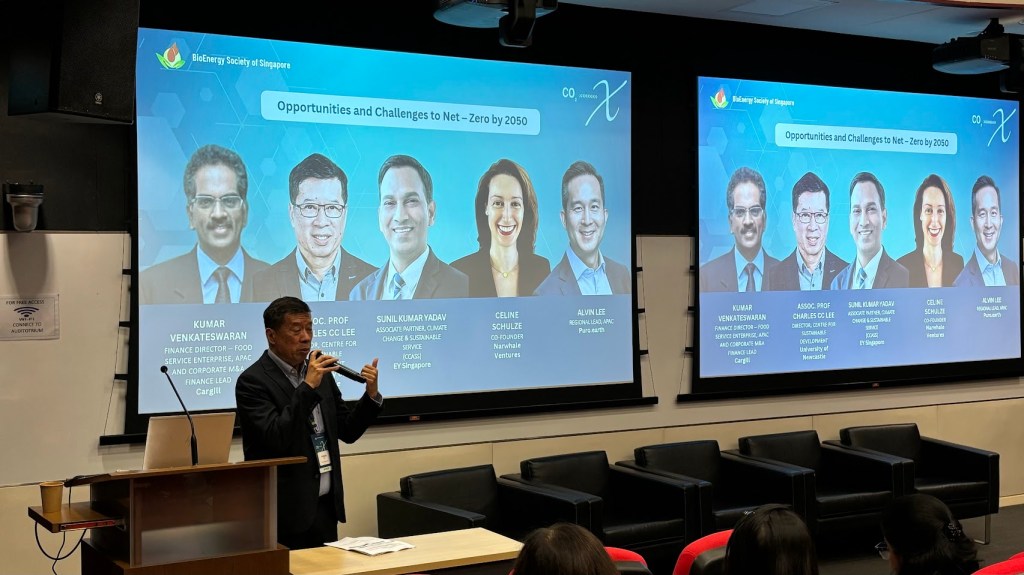

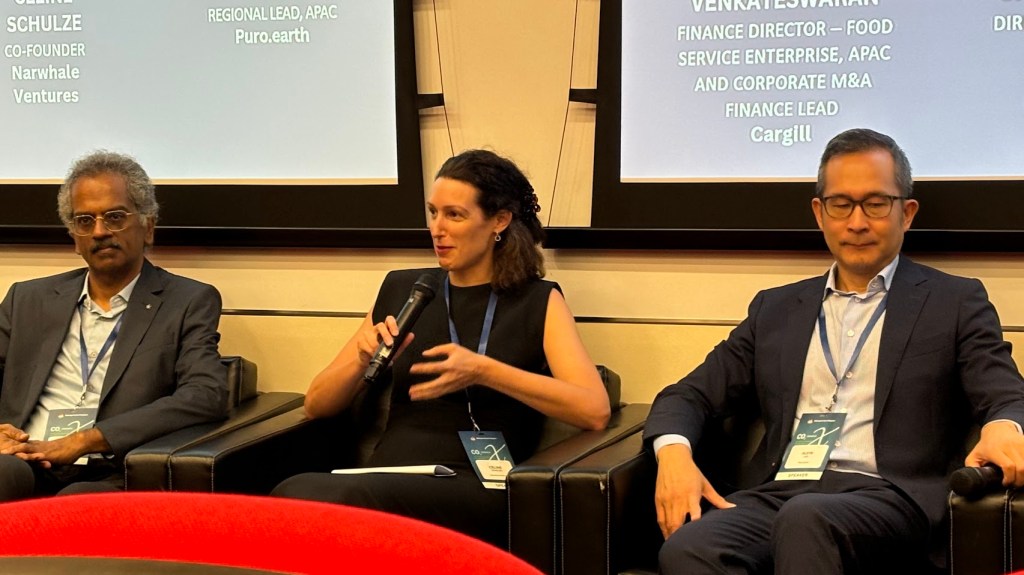
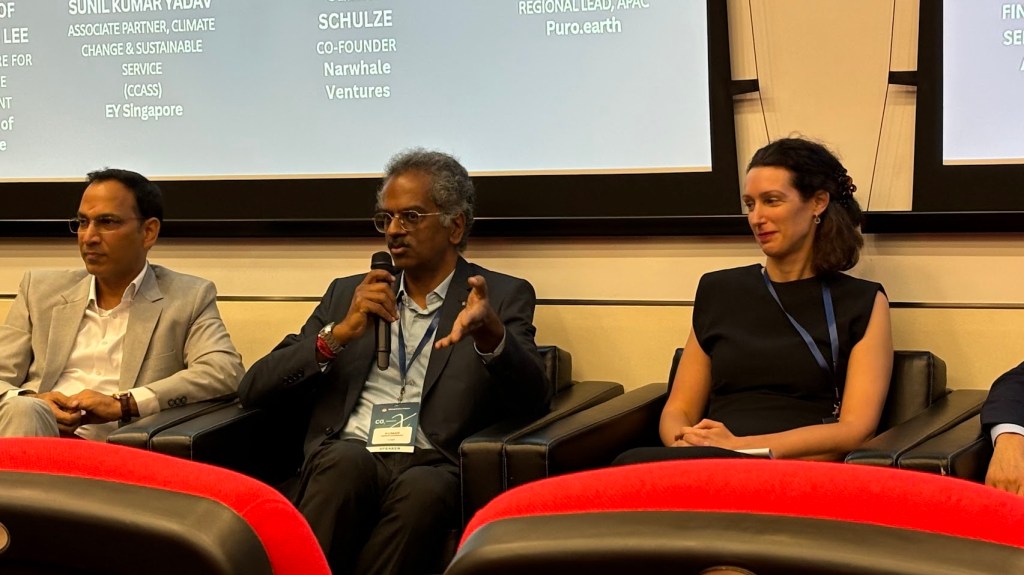


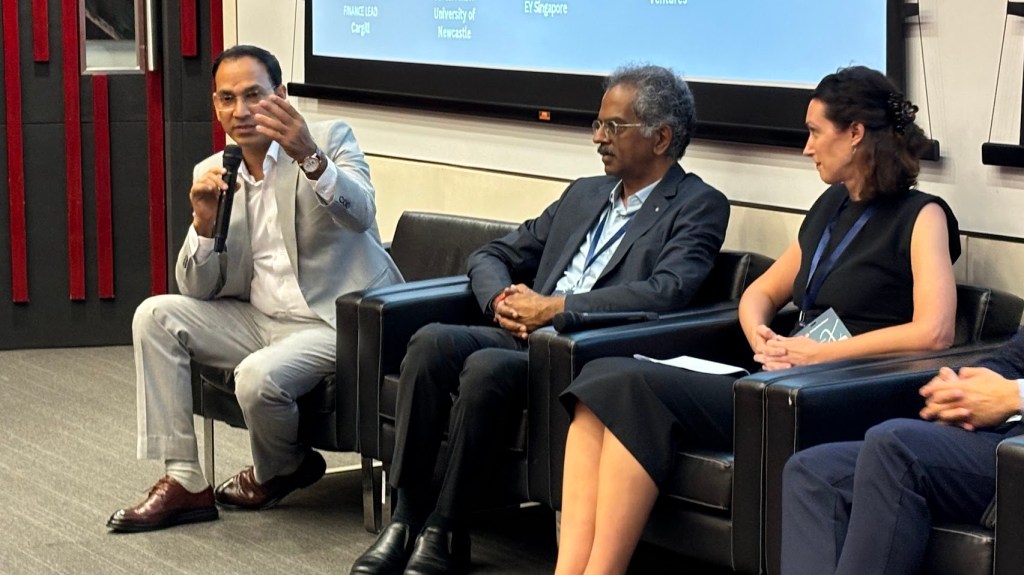
Dr. Wanwipa Siriwatwechakul and Dr. Andreas Schulze shared insights on decarbonization technology investment, highlighting the gap in renewable aviation fuel demand and production as a significant opportunity for innovation.
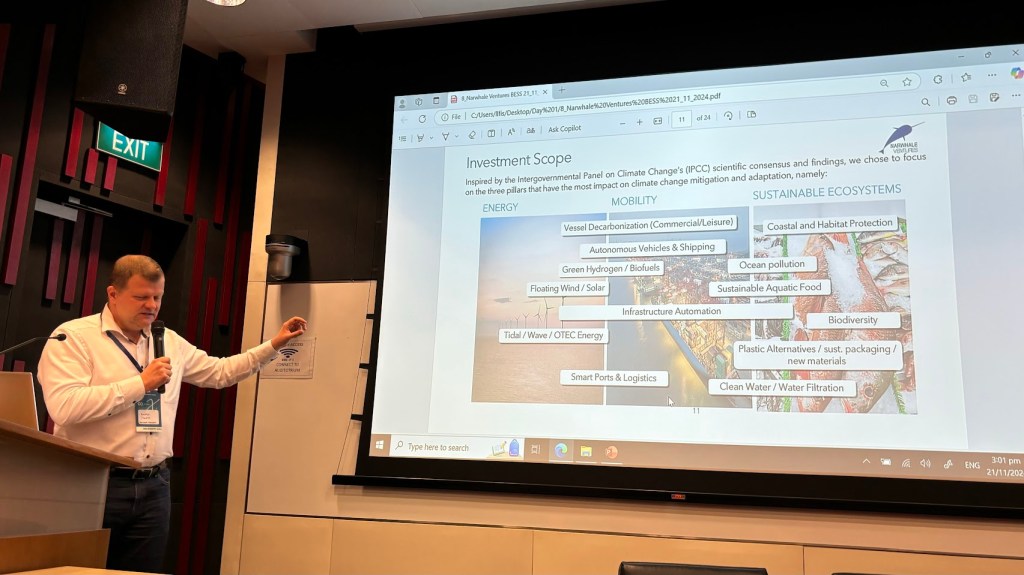

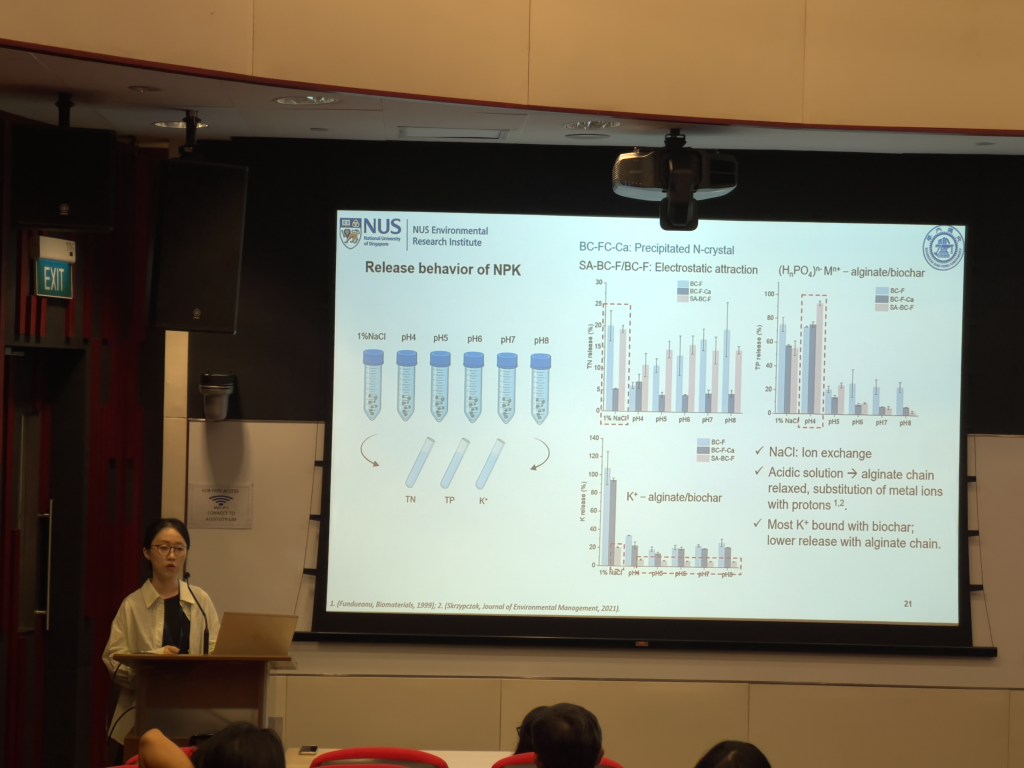
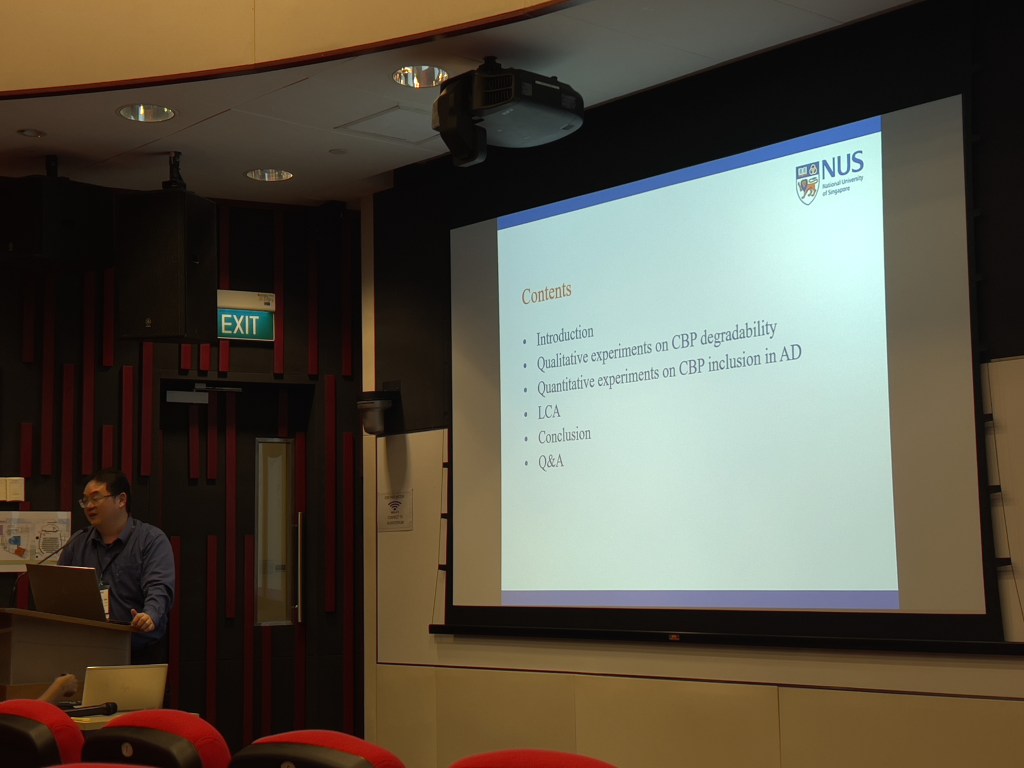
There are also substantial opportunities in waste valorization. Dr. Bu Jie discussed anaerobic digestion, Dr. Hanson Lee covered biofuel production, Dr. Zhao QianZhu talked about biofertilizer production, and Dr. Jonathan Lee introduced biodegradable plastics.
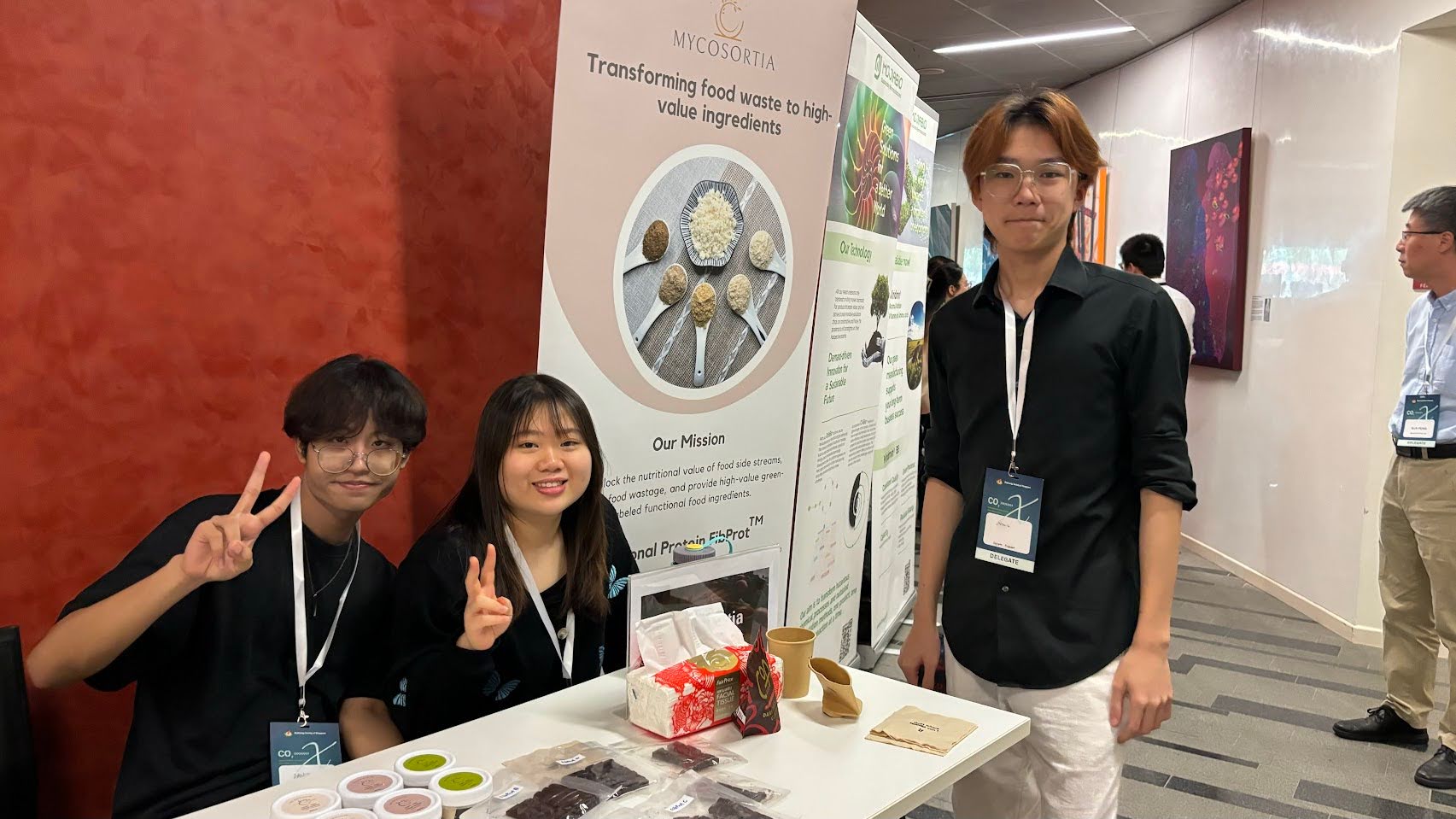
While many innovations are created in the lab, startups play a key role in commercializing them. Prof. Jay Keasling, a renowned professor in synthetic biology, has spun off several startups, including Amyris, LS9, Lygos, Napigen, Demetrix, Maple Bio, Apertor Pharma, Zero Acre Farms, Cyklos Materials, BioMia, and ResVita Bio. When asked for advice to startups, Prof. Keasling emphasized “embracing failure,” noting that failure is common for all startups. With passion and persistence, startups can bring lab innovations to reality.
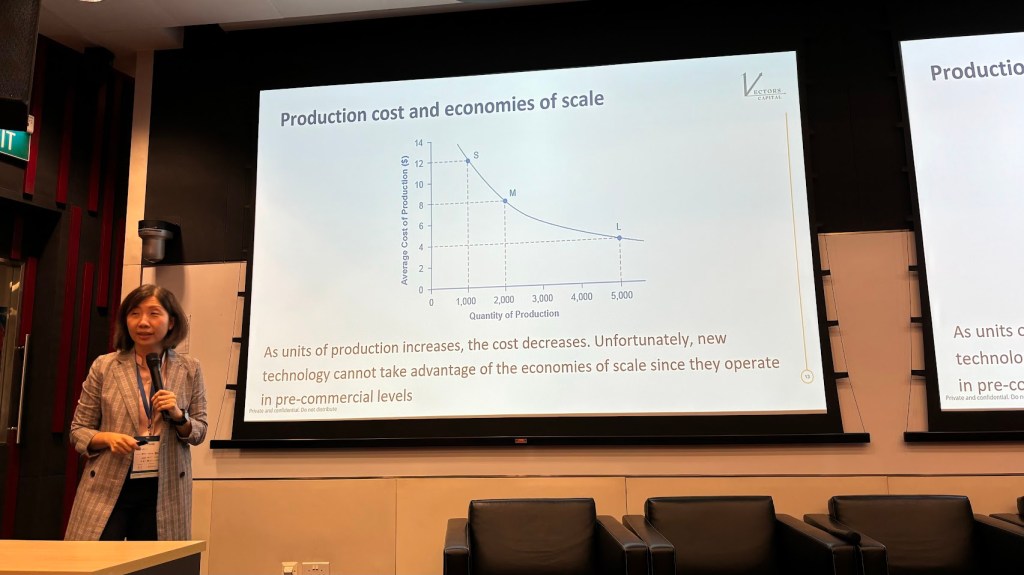
Dr. Wanwipa Siriwatwechakul also advised startups to ensure a strong problem-solution match and consider production scale and economies of scale when choosing the final product.
In summary, the conference covered both technological and investment opportunities in decarbonization through CO2 conversion and waste valorization. We are grateful to all the speakers and participants who made this conference a success. We look forward to seeing you at our future events.



 BioEnergy Society of Singapore